
Sparkling Under Pressure: A Day in the Life of a Diamond Grader
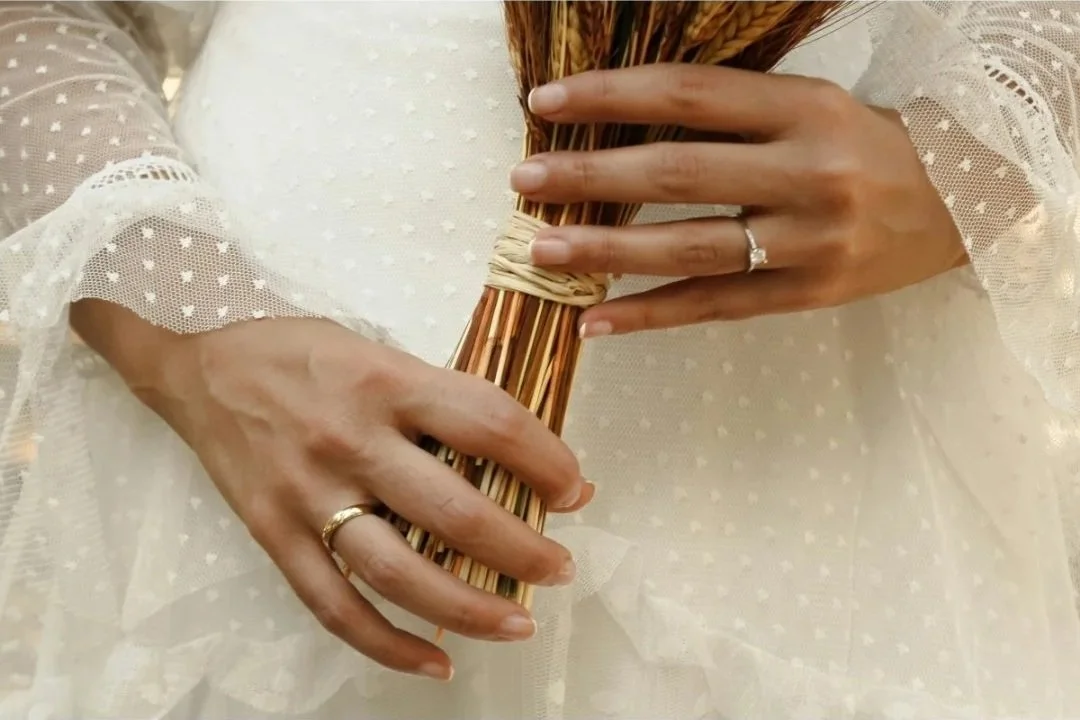
Most people see a diamond and think of romance, luxury, or a significant dent in their savings. But when I look at a diamond, I see a geological puzzle waiting to be solved.
Being a diamond grader is a blend of high-stakes science, extreme patience, and a bit of "detective work." We aren't just looking for pretty rocks; we are verifying the integrity of one of the most concentrated forms of wealth on Earth.
The "Big Four" and Beyond
You’ve likely heard of the 4Cs: Carat, Color, Clarity, and Cut. While these are the pillars of our work, a grader's day goes much deeper than those checkboxes.
Clarity: We spend hours peering through a microscope. We’re looking for "inclusions"—tiny crystals, clouds, or feathers trapped inside the stone for billions of years. There are inclusions that can be seen with a naked eye! This aspect of a diamond is really in the wishes of the client. Personally, I don't want to see inclusions, but like I always say "it is up to you, not me"
Color: Diamonds aren't just "white." We compare stones against a "master set" of diamonds under specific lighting to see where they fall on the D-to-Z scale.
Cut: This is where the math comes in. We measure the angles of the facets to ensure the diamond handles light perfectly. Too shallow or too deep, and the "fire" vanishes. This is a part of diamond grading that I believe is overlooked. I work to ensure that all my clients have rare excellent cut stones. The difference is clear!
The unofficial 5th C is CANADIAN diamonds of course!
The Reality: It’s Not All Glitz
Diamond Grading requires both course work as well as in depth lab-work to become certified. Ask to see certifications! Just because someone loves diamonds does not qualify them to be a diamond grader! Diamonds are rare, and unique. If finding the perfect stone to represent your love truly matters I suggest you find a diamond grader (like me) to help you find the perfect stone.
with love and sparkle
Carey